Paris & Rome for the holidays,
with Europe's new border check
Passport stamps are gone and fingerprints are in. Here is what to expect, and where to stay in style.
This guide is for non-EU travelers planning a festive trip to Paris or Rome this year. Two border facts to know first. The EU's Entry/Exit System (EES) has been fully operational since April 10, 2026: instead of a passport stamp, your name, travel document details, fingerprints and a facial image are recorded with the date and place you enter and leave. And ETIAS, the EU's travel authorization, is not in operation yet: the European Commission says no applications are being collected and the start date will be announced several months in advance. So for a visa-free holiday this December, you do not need to apply for ETIAS. Below: how to make the new border check painless, and where to stay for a five-star holiday in both cities.
What is the EES and what happens at the border?
The Entry/Exit System is the EU's digital register of short-stay visitors from outside the EU. It began a phased start on October 12, 2025 and became fully operational on April 10, 2026, according to the European Commission. It covers the external borders of 29 European countries, including France and Italy.
- What is recorded: your name, travel document data, fingerprints and a facial image, plus the date and place of each entry and exit.
- No more stamps: the EES replaces passport stamping, so your days in the area are counted automatically.
- First time is the slowest: your biometric details are captured on your first crossing, so allow extra time at the airport, especially during the busy holiday weeks.
Do I need ETIAS for Europe this winter?
Not yet. The European Commission states that ETIAS is currently not in operation and no applications are collected, and that the EU will announce the start date several months before launch. When it does start, the fee has been set at €20.
Because nothing can be applied for today, be wary of any website offering to “process” an ETIAS for you now. The short-stay rule itself is unchanged: visa-free visitors can stay up to 90 days in any 180-day period across the area.
Where to stay in Paris for the holidays
- Place Vendôme and the Tuileries (1st) — palace hotels around the jewelers of Place Vendôme, steps from the Louvre and the Tuileries gardens.
- Triangle d'Or (8th) — Avenue Montaigne and the Champs-Élysées, with grand hotels, couture houses and the avenue's festive lights.
- Saint-Germain-des-Prés (6th) — Left Bank cafés, galleries and a more intimate feel.
December highlights include the elaborate holiday windows of the grand department stores on Boulevard Haussmann. Days are short, so plan museums in the afternoon and lights after dark.
Where to stay in Rome for the holidays
- Spanish Steps and Via Condotti — Rome's luxury shopping streets, with hotels perched above the steps.
- Via Veneto and Villa Borghese — grand hotels near the park and the Borghese Gallery.
- Piazza Navona and the Pantheon — the historic center on foot, with the square's traditional Christmas market in season.
Rome's Christmas is about nativity scenes in churches, festive lights along Via del Corso and celebrations at St. Peter's — check the Vatican's schedule and ticketing well ahead if you hope to attend a papal ceremony.
Paris and Rome in one trip?
Many travelers combine the two with a short flight. Under the EES, moving between France and Italy is travel within the Schengen area, so the new registration happens when you first arrive from outside and again when you finally leave — not at every hop between the two cities. Allow extra time at those first and last airports.
Where this information comes from
We checked these official European Commission pages on October 26, 2026. Please confirm before you travel:
- European Commission, Migration and Home Affairs — Entry/Exit System (EES)
- European Commission, Migration and Home Affairs — ETIAS
- EU official traveler site — travel-europe.europa.eu
🧭 Paris in 3 days: a self-guided itinerary
This three-day Paris itinerary is built around the Sainte-Chapelle, the Louvre and Montmartre's Sacré-Cœur — the islands and Left Bank first, then the great Right Bank axis, then the northern hills. Every day opens as a single route in Google Maps.
Day 1 Île de la Cité & the Left Bank
- MorningSainte-ChapelleA jewel of the Rayonnant Gothic style on the Île de la Cité, lit by 1,113 stained-glass windows.
- AfternoonMusée d'OrsaySet in the former Orsay railway station, it holds what the museum calls the world's richest collection of Impressionist and Post-Impressionist paintings.
- EveningEiffel TowerRide the lifts or climb the stairs to the second floor or the 276-metre summit; day and night visits are two very different experiences.
Day 2 From the Louvre to the Étoile
- MorningMusée du LouvreThe former palace of the French monarchs, now home to works from the Mona Lisa to the Venus de Milo.
- AfternoonMusée de l'OrangerieThe home of Claude Monet's Water Lilies, with a collection running from Monet to Picasso.
- SunsetArc de TriompheA national symbol at the top of the Champs-Élysées on the Place de l'Étoile, with a view from its terrace.
Day 3 Montmartre & the Opéra
- MorningBasilica of the Sacré-CœurThe hilltop basilica of Montmartre, known for its monumental choir mosaic and its view over Paris; the dome can also be toured.
- AfternoonPalais GarnierA masterpiece of 19th-century theatre architecture whose public areas you can explore at your own pace.
- The top of the Eiffel Tower closes for annual maintenance from 4 January to 5 February 2027; the Arc de Triomphe lift is being modernised, so the terrace is reached by 284 steps.
- Palais Garnier visits must be booked online — no visit tickets are sold on site — and rehearsals can close the auditorium at short notice.
Suggested order only — tap a route to see live travel times. Opening hours and tickets change, so check each official site before you go. Places checked November 19, 2026 on: Sainte-Chapelle · Musée d'Orsay · Eiffel Tower · Musée du Louvre · Musée de l'Orangerie · Arc de Triomphe · Sacré-Cœur de Montmartre · Opéra national de Paris.
🧭 Rome in 3 days: a self-guided itinerary
This three-day Rome itinerary is built around the Pantheon, the Colosseum and the Vatican Museums — the historic centre first, then ancient Rome, then the Vatican. Every day opens as a single route in Google Maps.
Day 1 Piazzas & fountains of the centro storico
- AfternoonThe PantheonAn ancient temple whose height equals the diameter of its dome, lit only by the oculus at the top; Agrippa's dedication is still on the frieze.
- AfternoonTrevi FountainThe terminal point of the Virgo aqueduct, the only ancient aqueduct still in continuous use.
- SunsetSpanish StepsAn 18th-century staircase of winding flights that climbs to the church of Trinità dei Monti.
Day 2 Ancient Rome
- MorningThe ColosseumThe Flavian Amphitheatre, named for the colossal bronze statue of Nero that once stood nearby; at times of year its underground levels can be visited.
- AfternoonRoman Forum & Palatine HillThe centre of Roman public life for over a millennium, beside the Palatine — the hill whose name became the word for the emperors' palace.
Day 3 The Vatican
- MorningVatican MuseumsThe vast collection of art gathered by the popes from the sixteenth century onwards.
- AfternoonSt. Peter's BasilicaThe world's largest Christian basilica; climb Michelangelo's dome for a view over the interior and the rooftops of Rome.
- Buy Vatican Museums tickets only through the museums' official portal — the museums warn of look-alike websites.
- The Colosseum, Roman Forum and Palatine form one archaeological park, so Day 2 is a single walking area.
Suggested order only — tap a route to see live travel times. Opening hours and tickets change, so check each official site before you go. Places checked November 19, 2026 on: Turismo Roma · Turismo Roma — Colosseum Archaeological Park · Vatican Museums · St. Peter's Basilica.
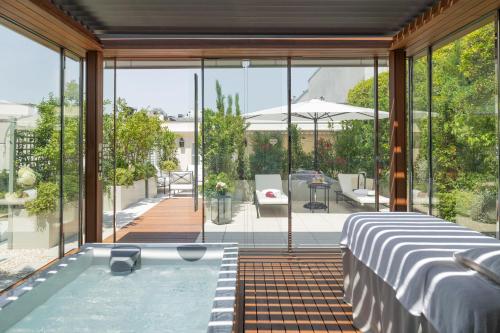
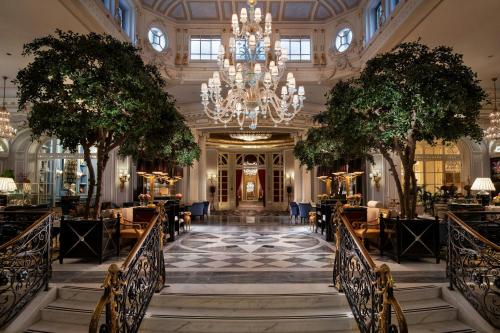
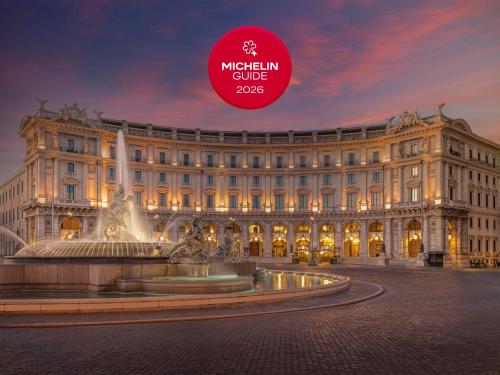
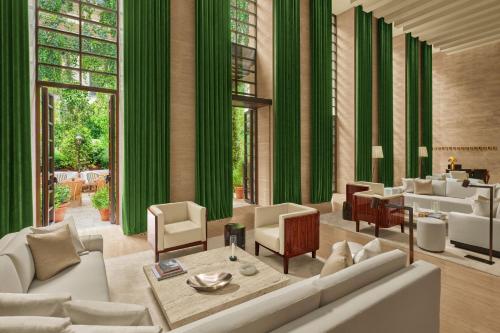
🏨 Five-star stays in Paris & Rome (live Agoda rates) (16)
Five-star only, ranked by nightly price. Live Agoda rates for 2 adults, taxes and fees included, checked 2026-11-28 — confirm the live rate on Agoda.






🎄 Where to base a holiday trip
🥂 Seasonal moments worth planning around
❓ Frequently asked questions
Do I need ETIAS to visit Paris or Rome in December 2026?
No. The European Commission says ETIAS is not in operation and no applications are being collected. The EU will announce the start date several months before launch.
What is the EU Entry/Exit System (EES)?
A digital register of non-EU short-stay travelers. It records your name, travel document data, fingerprints, a facial image and the date and place of entry and exit, and it replaces passport stamping. It has been fully operational since April 10, 2026.
Will the EES make the airport slower?
Your first crossing takes longer while your fingerprints and photo are recorded. Allow extra time, especially during the busy holiday weeks.
Do I go through EES when flying between Paris and Rome?
No. France and Italy are both in the Schengen area, so the EES check happens when you enter from outside and when you finally leave.
How much will ETIAS cost?
The European Commission says the fee has been set at €20, applying once ETIAS is operational.
Where is the best area to stay in Paris for Christmas?
Place Vendôme and the Tuileries for classic palace hotels, the Triangle d'Or around Avenue Montaigne and the Champs-Élysées for festive lights and shopping, or Saint-Germain for a Left Bank feel.
Some links are Agoda affiliate links; we may earn a commission at no extra cost to you. Hotel rates were checked on Agoda and change often. Border rules are summarized from the official European Commission pages listed above as of October 26, 2026 — please confirm before you travel.