Kyoto's accommodation tax,
explained for luxury travelers
The higher your room-only rate, the higher the tax — here are the official brackets, and the hotels where they apply.
This guide is for travelers booking a high-end hotel in Kyoto. Kyoto City revised its accommodation tax from 1 March 2026, and the biggest change is at the luxury end: when the room-only charge is ¥100,000 or more per person per night, the tax is ¥10,000 per person per night. Between ¥50,000 and ¥100,000 it is ¥4,000. The tax is set by your stay date, not your booking date, and it is calculated on the room-only charge (room and service charge) — meals and consumption tax are not included. Below: the full official table, how it shows up on your bill, and the five-star hotels in Kyoto today.
What are Kyoto's accommodation tax rates in 2026?
Kyoto City's official rates, per guest per night, for stays from 1 March 2026:
- Room-only charge under ¥6,000 — ¥200
- ¥6,000 to under ¥20,000 — ¥400
- ¥20,000 to under ¥50,000 — ¥1,000
- ¥50,000 to under ¥100,000 — ¥4,000
- ¥100,000 or more — ¥10,000
The city defines the charge as the so-called room-only rate (room charge and service charge), which does not include meals or consumption tax.
Does the new rate apply if I booked before March 2026?
Yes. Kyoto City's FAQ for guests says the tax amount is determined by the date of stay, so any night on or after 1 March 2026 uses the revised rate, even if you booked earlier. If you prepaid the old amount, the hotel may ask you to pay the difference.
How is the tax collected?
Hotels collect it from guests and pay it to the city. Depending on how you booked, you pay it at the hotel or it may be included in what you paid through a booking site or travel agent — the city advises checking with the property. The only exemptions listed are for organized school trips and certain childcare-facility outings and their chaperones; regular leisure guests pay the tax.
What does it mean for a luxury stay?
At Kyoto's top hotels, the room-only charge per guest can easily reach the ¥50,000 or ¥100,000 brackets, so budget ¥4,000–¥10,000 per person per night on top of the room rate. For a couple on a three-night stay in the top bracket, that is 2 × 3 × ¥10,000 = ¥60,000.
Tip: because the bracket is based on the room-only charge, breakfast or dinner packages do not push you into a higher bracket by themselves — ask the hotel how its rate is split if you are close to a threshold.
When is the best time for a luxury stay in Kyoto?
Late autumn foliage (mid-November into early December) and spring cherry blossoms are the busiest, priciest periods. Winter from mid-December to February is quieter, with temples in crisp light and occasional snow — and often better availability at the top hotels. Avoid the New Year days if you want restaurants and shops fully open.
Where this information comes from
We checked these official pages on November 8, 2026. Rules can change, so please confirm before you travel:
- Kyoto City — Accommodation tax (宿泊税について)
- Kyoto City — FAQ for guests: rate revision from March 2026
🧭 Kyoto in 3 days: a self-guided itinerary
This three-day Kyoto itinerary is built around Nijo-jo Castle, Kinkaku-ji and Fushimi Inari Taisha — central Kyoto and Gion first, the north-west and Arashiyama next, then the southern and eastern hills. Every day opens as a single route in Google Maps.
Day 1 Nijo-jo, Nishiki & Gion
- MorningNijo-jo CastleA World Heritage castle and former imperial villa that witnessed the rise and decline of the Tokugawa family.
- MiddayNishiki MarketA 390-metre covered shopping street with some 400 years of history, known for Kyoto ingredients and food culture.
- EveningYasaka ShrineThe shrine of the Gion district, once called Gion Shrine, with a history the shrine traces back to 656.
Day 2 The Golden Pavilion & Arashiyama
- MorningKinkaku-ji (Rokuon-ji)The Golden Pavilion temple linked to Ashikaga Yoshimitsu, designated a UNESCO World Heritage Site in 1994.
- AfternoonTenryu-jiA major Rinzai Zen temple complex in the Saga Arashiyama area, registered as a UNESCO World Heritage Site.
Day 3 Fushimi Inari & Higashiyama
- MorningFushimi Inari TaishaThe head shrine of Japan's Inari shrines, established in 711; its grounds include the Senbon Torii and the sacred mountain of Inariyama.
- AfternoonKiyomizu-deraA World Heritage temple halfway up Mount Otowa in the Higashiyama hills, founded more than 1,250 years ago.
- Day 2 links the north-west (Kinkaku-ji) with Arashiyama in the west — plan to stay on that side of the city for the whole day rather than returning to the centre in between.
- Kiyomizu-dera announces seasonal evening openings on its official site; check its news page if you would like to end day 3 there after dark.
Suggested order only — tap a route to see live travel times. Opening hours and tickets change, so check each official site before you go. Places checked November 19, 2026 on: Nijo-jo Castle (City of Kyoto) · Nishiki Market · Yasaka Shrine · Kinkaku-ji (Shokoku-ji) · Tenryu-ji · Fushimi Inari Taisha · Kiyomizu-dera · Kyoto City Official Travel Guide.
🏨 Five-star hotels in Kyoto (live Agoda rates) (14)
Five-star only, ranked by nightly price. Live Agoda rates for 2 adults, taxes and fees included, checked 2026-11-28 — confirm the live rate on Agoda.


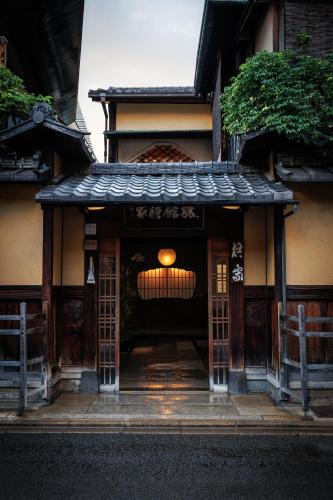


🏯 Where to stay in Kyoto
🍵 Worth planning around
❓ Frequently asked questions
How much is Kyoto's accommodation tax in 2026?
Per guest per night: ¥200 under ¥6,000; ¥400 from ¥6,000; ¥1,000 from ¥20,000; ¥4,000 from ¥50,000; and ¥10,000 at ¥100,000 or more, based on the room-only charge. These rates apply to stays from 1 March 2026.
Is Kyoto's accommodation tax based on the room price including meals?
No. Kyoto City bases it on the room-only charge (room and service charge), excluding meals and consumption tax.
I booked before March 2026 — which rate do I pay?
The rate is set by the stay date, so nights on or after 1 March 2026 use the revised rate even if you booked earlier.
Is the Kyoto tax included in my booking price?
It depends on how you booked. You may pay it at the hotel or it may be included in your booking-site or travel-agent payment; check with the property.
Who is exempt from Kyoto's accommodation tax?
Kyoto City lists exemptions only for students on school-organized trips and children on certain childcare-facility outings, plus their chaperones.
Some links are Agoda affiliate links; we may earn a commission at no extra cost to you. Hotel rates were checked on Agoda and change often. Tax details are summarized from Kyoto City's official pages as of November 8, 2026 — please confirm before you travel.