K-ETA or e-Arrival Card?
Sorted before Seoul
Check your status, file the right form, then settle into a five-star in Seoul.
This guide is for visa-free visitors heading to Korea. Korea's official K-ETA site says the temporary K-ETA exemption for countries currently covered has been extended to 31 December 2026. The site shows an exemption pop-up when you scan your passport in the application. Everyone else entering visa-free needs a K-ETA before boarding, which costs KRW 10,000 and is valid for 3 years. K-ETA holders skip the arrival card. The e-Arrival Card is free and can be filed within 3 days before arrival. Below: the details, then Seoul's five-stars with live rates.
Is the K-ETA exemption still in place?
A K-ETA site notice dated 23 December 2025 says the temporary exemption for countries where it currently applies runs from 1 January 2026 to 31 December 2026 (KST). The notice does not list the countries. Instead, when you scan your passport in the application, a 'K-ETA exempt' pop-up tells you whether you qualify. After 31 December 2026, check the site again before you travel.
How much is a K-ETA, and how long is it valid?
- Fee: KRW 10,000 per person, about USD 7–8, plus a 3% online payment fee. It is not refunded if the application is refused.
- Validity: 3 years, or until your passport expires if sooner. It can be used for multiple trips, but you still cannot stay longer than your nationality's visa-free period.
- When: you must be approved before boarding. Processing usually takes up to 72 hours, sometimes longer, and there's no express service.
Who doesn't need a K-ETA?
The site's exemption list includes travelers aged 17 or under, or 65 or over on the arrival date, diplomatic and official passport holders, crew, APEC business travel card holders, transit passengers, registered foreigners and visa holders, and UN passport holders.
Should exempt travelers still apply?
They can. The notice says nationals of exempt countries may still apply, and pay the fee, for benefits such as skipping the arrival card. Without a K-ETA, file the e-Arrival Card instead. The official site says no fee is required, and you complete and submit it within 3 days before arrival.
Where to stay in Seoul for a luxury trip?
Gangnam and Cheongdam are for luxury shopping and dining. Jung-gu, near City Hall and Myeongdong, puts you by the palaces. Yongsan and Hannam are home to galleries and restaurants, with Han River views. Winter is cold and dry, so a hotel with a good spa makes a difference.
Where this information comes from
We checked these official pages on November 18, 2026. Rules can change, so please confirm before you travel:
- Republic of Korea, K-ETA — K-ETA application guide
- Republic of Korea, K-ETA — Notice: extension of the temporary K-ETA exemption (23 December 2025)
- Republic of Korea, K-ETA — Eligibility and exemptions
- Republic of Korea — e-Arrival Card (official site)
🧭 Seoul in 3 days: a self-guided itinerary
This three-day Seoul itinerary is built around Gyeongbokgung Palace, Changdeokgung Palace and Namsan Seoul Tower — the royal quarter and Bukchon first, a palace, a museum and Namsan next, then Lotte World Tower and COEX south of the river. Every day opens as a single route in Google Maps.
Day 1 Gyeongbokgung & Bukchon
- MiddayGyeongbokgung PalaceBuilt in 1395, the first and largest of the Joseon Dynasty's royal palaces, and the dynasty's main palace.
- AfternoonBukchon Hanok VillageA lived-in neighbourhood of traditional hanok between Gyeongbokgung and Changdeokgung, reflecting 600 years of Seoul's history.
Day 2 Changdeokgung, the national museum & Namsan
- MorningChangdeokgung PalaceA UNESCO World Heritage palace built in 1405 and used as the Joseon royal palace for about 270 years, with a separate tour of its rear garden.
- AfternoonNational Museum of KoreaKorea's national museum, with galleries ranging from calligraphy and painting to Central Asian art.
- SunsetNamsan Seoul TowerA 1969 broadcast tower on Namsan Mountain, open to the public since 1980, with an observatory, roof terrace and digital art projected at night.
Day 3 Jamsil & COEX
- MorningStarfield LibraryAn open reading space at the centre of COEX Mall where anyone can sit down with a book.
- AfternoonLotte World Tower & Seoul SkyA 555-metre, 123-storey tower whose Seoul Sky observation deck sits at 500 metres.
- Bukchon is a residential village, not a museum — Visit Seoul asks for quiet "silent tourism", and visiting hours in its Special Management Area are restricted, so go in the daytime.
- Changdeokgung's rear garden is seen on a separate special tour from the general palace tour, so check the palace's tour options before day 2.
Suggested order only — tap a route to see live travel times. Opening hours and tickets change, so check each official site before you go. Places checked November 19, 2026 on: Visit Seoul (Seoul Tourism Organization) · National Museum of Korea · Seoul Sky.
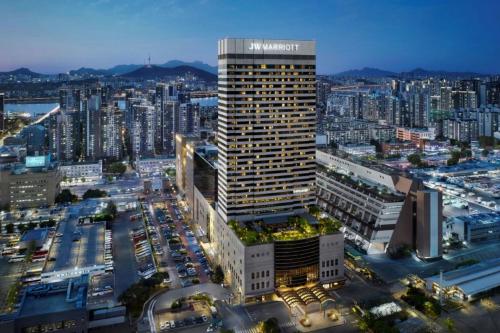
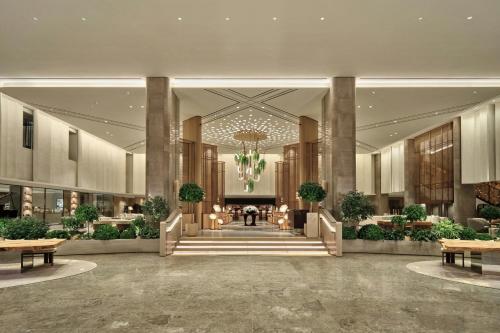
🏨 Five-star hotels in Seoul (live Agoda rates) (14)
Five-star only, ranked by nightly price. Live Agoda rates for 2 adults, taxes and fees included, checked 2026-11-28 — confirm the live rate on Agoda.




🇰🇷 Where to stay
✨ Worth planning around
❓ Frequently asked questions
Is the K-ETA exemption extended?
Yes. The K-ETA site says the temporary exemption for countries currently covered runs until 31 December 2026 (KST).
How much does a K-ETA cost?
KRW 10,000 per person, about USD 7–8, plus a 3% online payment fee. It is non-refundable.
How long is a K-ETA valid?
3 years, or until your passport expires if sooner.
Is the Korea e-Arrival Card free?
Yes. The official site says no fee is required, and you can submit it within 3 days before arrival.
Do K-ETA holders fill in an arrival card?
No. The K-ETA site says K-ETA holders are exempt from the arrival card on entry.
Some links are Agoda affiliate links; we may earn a commission at no extra cost to you. Hotel rates were checked on Agoda and change often. Entry details are summarized from Korea's official K-ETA and e-Arrival Card sites as of November 18, 2026 — please confirm before you travel.